
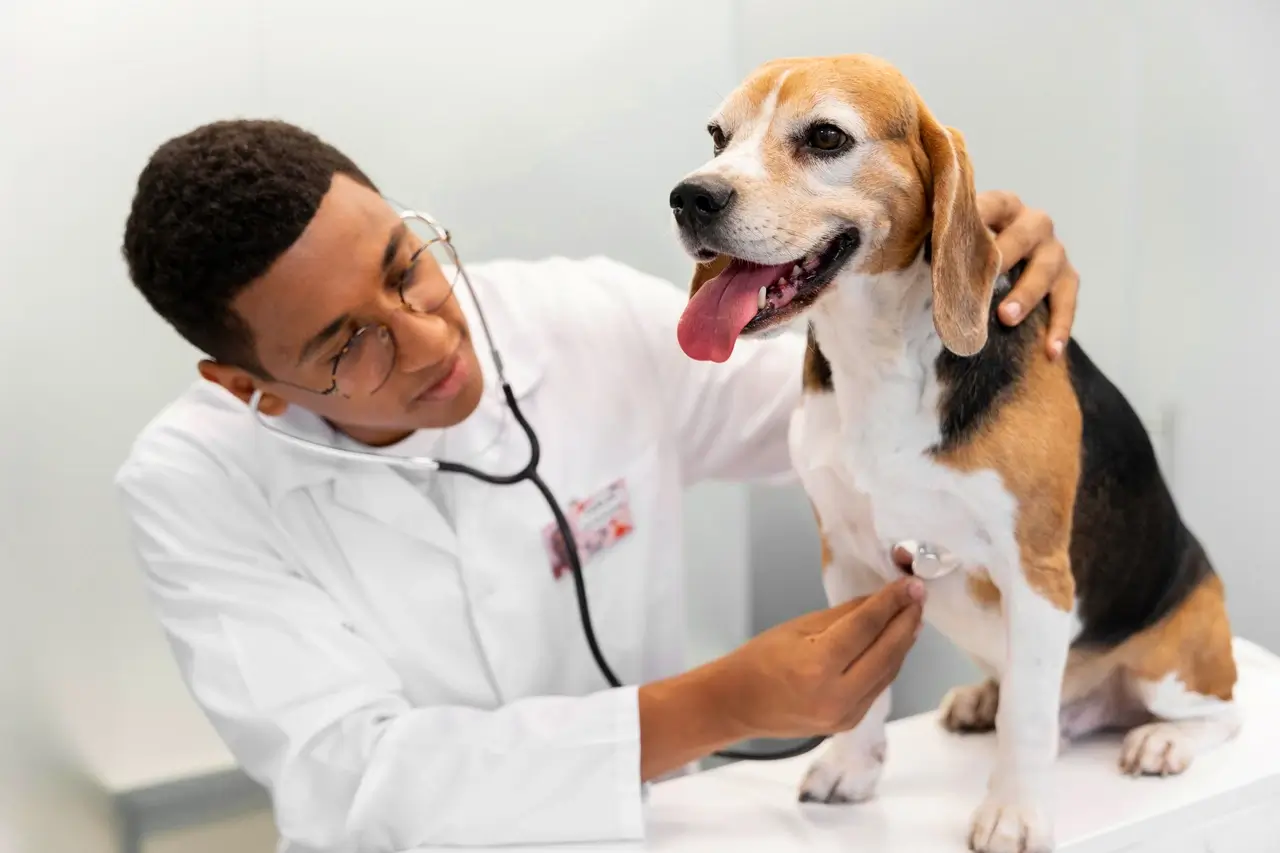
Walking into a veterinary clinic often brings a mix of emotions—relief that your pet is in safe hands, worry about their health, and sometimes excitement for routine checkups that keep them thriving. Beyond vaccinations and annual exams, a vet clinic is a hub of knowledge, compassion, and preventive care. These insights from inside the clinic highlight how veterinarians help pets live healthier, happier lives while also supporting the bond between people and their animal companions.
The Importance of Preventive Care
One of the most valuable lessons from any veterinary clinic is the significance of preventive medicine. Pets, like people, benefit from routine wellness exams that catch issues early before they become serious. Regular checkups allow veterinarians to monitor weight, dental health, heart function, and nutrition. Preventive care also includes vaccinations, parasite control, and bloodwork to ensure pets remain protected against common diseases.
A simple wellness visit can make the difference between a minor adjustment in diet and a major health problem down the road. Prevention not only saves on costly treatments but also gives pets a better quality of life.
Nutrition: More Than Just Food
Veterinarians often remind pet owners that food is more than just fuel. Proper nutrition is essential for growth, energy, and overall well-being. Clinics provide guidance on selecting the right diet for pets depending on age, breed, weight, and health conditions.
Obesity is a growing concern in pets, leading to arthritis, diabetes, and heart disease. Through nutritional counseling, vets educate owners about portion control, high-quality ingredients, and the dangers of overfeeding. Sometimes, a small change in diet can help manage chronic conditions like kidney disease or allergies.
Understanding Behavior and Stress
Another insight gained from the vet clinic is the role behavior plays in pet health. Stress, anxiety, and behavioral issues are common concerns for pet owners. Clinics provide advice on training, environmental enrichment, and mental stimulation to keep pets balanced and content.
For example, a cat that avoids the litter box may not just be misbehaving—it could signal urinary tract issues or stress in its environment. Veterinarians look at both the medical and emotional aspects, ensuring pets receive holistic care.
Parasite Prevention and Control
From fleas and ticks to heartworms and intestinal worms, parasites are a year-round concern. Clinics emphasize the importance of consistent parasite prevention for both pets and families. Preventive medications are easy to administer and protect against painful, sometimes life-threatening conditions.
Veterinarians also guide pet owners on safe outdoor habits, hygiene, and early warning signs of infestations. This proactive approach keeps pets comfortable and helps prevent zoonotic diseases—illnesses that can pass from animals to humans.
Building Trust Through Communication
A strong bond between pet owners and veterinarians is built on trust and communication. Clinics encourage open dialogue, where owners feel comfortable asking questions about diet, behavior, or treatment options. Veterinarians explain diagnoses in simple terms and involve owners in creating personalized care plans.
This partnership ensures that pets receive the best possible care while owners feel empowered to make informed decisions. Over time, these visits strengthen the human-animal bond and build lasting relationships with veterinary teams.
The Heart of Veterinary Care
Perhaps the greatest insight from the vet clinic is the compassion behind every service. Veterinary teams are dedicated not only to treating illness but also to celebrating the joy pets bring to families. From comforting anxious animals during exams to supporting owners through tough decisions, their work is fueled by empathy and respect.
A visit to the clinic is more than a medical appointment—it’s a step toward ensuring a lifetime of health, love, and companionship.
Final Thoughts
Vet clinics provide far more than vaccines and medications; they offer education, preventive care, and compassionate support for every stage of a pet’s life. By embracing regular checkups, good nutrition, parasite prevention, and open communication with veterinarians, pet owners can give their animals the best chance at a long, fulfilling life.