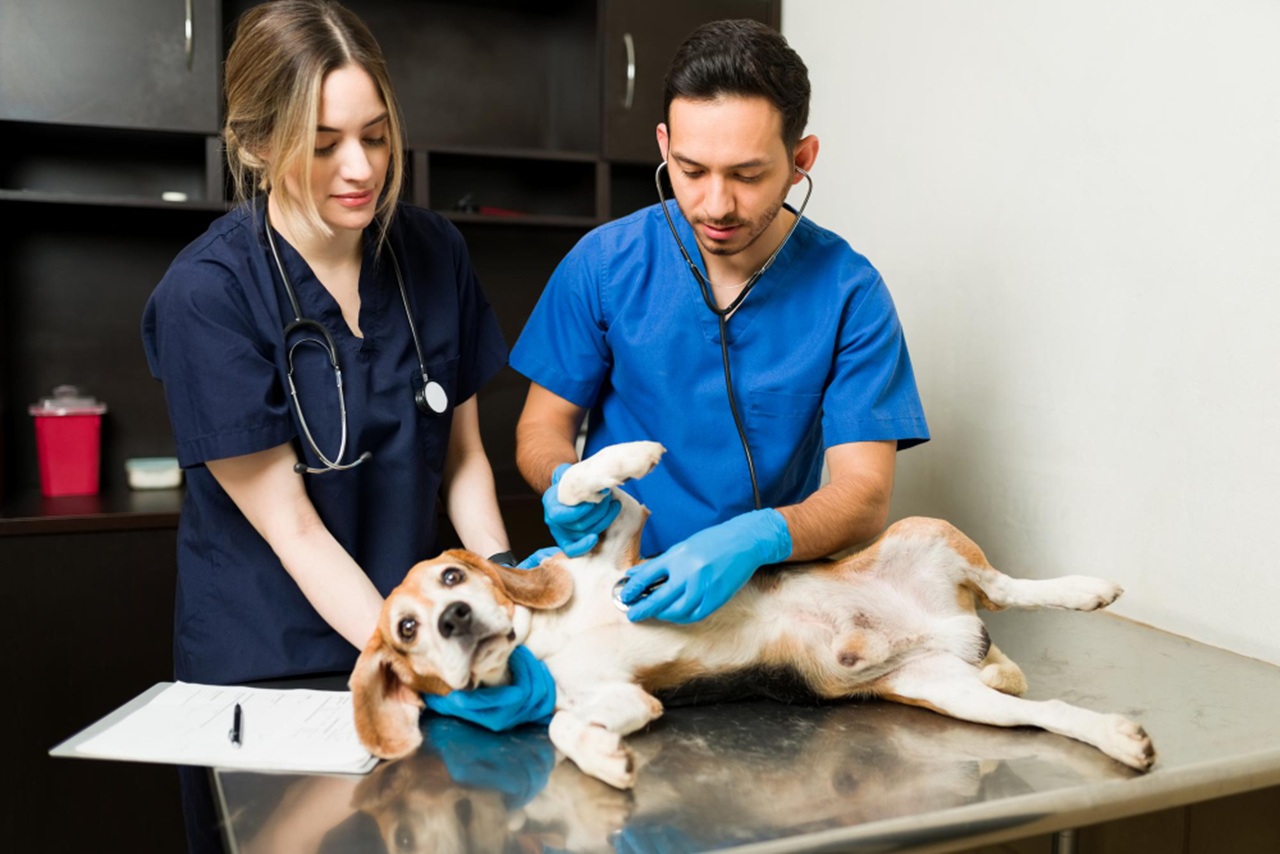
Protecting Your Pet’s Health and Future
Vaccinations are one of the most effective ways to safeguard your pet’s long-term health and protect them from preventable diseases. At our veterinary hospital, we believe prevention is the best medicine. By staying up to date on your pet’s vaccination schedule, you give them the best chance at a happy, healthy, and active life.
Why Pet Vaccinations Are Important
Vaccinations play a vital role in building your pet’s immunity against dangerous and often life-threatening illnesses. Just like in humans, vaccines stimulate the immune system to recognize and fight specific infections without causing the actual disease.
For dogs, vaccines can protect against rabies, distemper, parvovirus, and kennel cough. For cats, essential vaccines include rabies, feline leukemia, herpesvirus and calicivirus. By vaccinating your pet, you not only safeguard their health but also help reduce the spread of diseases to other animals and, in some cases, humans.
Core vs. Non-Core Vaccines
Core Vaccines
Core vaccines are essential for all pets, regardless of their age, breed, or lifestyle. These vaccines protect against the most common and severe diseases. For example, rabies is considered a core vaccine for both cats and dogs, as it is fatal and transmissible to humans.
Non-Core Vaccines
Non-core vaccines are recommended based on your pet’s lifestyle, environment, and risk factors. If your dog often visits boarding facilities, a kennel cough vaccine may be advised. For outdoor cats, the feline leukemia vaccine can be essential. Your veterinarian will help determine which non-core vaccines are right for your pet.
Benefits of Timely Vaccinations
Vaccinating your pet offers multiple benefits beyond disease prevention:
-
Longer Lifespan: Pets who receive vaccinations are more likely to live longer, healthier lives.
-
Cost-Effective Care: Preventing disease through vaccination is far more affordable than treating serious illnesses.
-
Community Protection: Vaccinated pets help reduce outbreaks and protect other animals and people in your community.
-
Travel and Boarding Access: Many travel services, boarding facilities, and groomers require proof of up-to-date vaccinations.
When Should Pets Be Vaccinated?
Puppies and Kittens
Puppies and kittens require a series of vaccinations starting at six to eight weeks of age. Booster shots are then given every few weeks until they are around 16 weeks old.
Adult Pets
Adult pets need regular boosters to maintain their immunity. Depending on the vaccine, boosters may be required annually or every three years.
Senior Pets
Older pets should continue to receive vaccines, though your veterinarian may adjust the schedule based on their health condition.
Partnering with Your Veterinarian
Every pet is unique, and so are their vaccination needs. Working closely with your veterinarian ensures your pet receives the right vaccines at the right time. Regular checkups allow the vet to review your pet’s overall health, lifestyle, and risk factors to design a personalized vaccination plan.
Vaccinations are a cornerstone of responsible pet ownership. By keeping your pet’s vaccines current, you protect them from preventable diseases, ensure their long-term health, and contribute to a safer environment for all pets and people. Schedule a consultation with our veterinary team today to learn more about creating the best vaccination plan for your furry friend.